Treatments Vascular & Dialysis Access

Reliable long-term access

Vascular Access & Dialysis Access.

Individualized planning, creation and maintenance of a reliable vascular access—designed around the patient’s dialysis pathway, vessel anatomy and long-term needs.

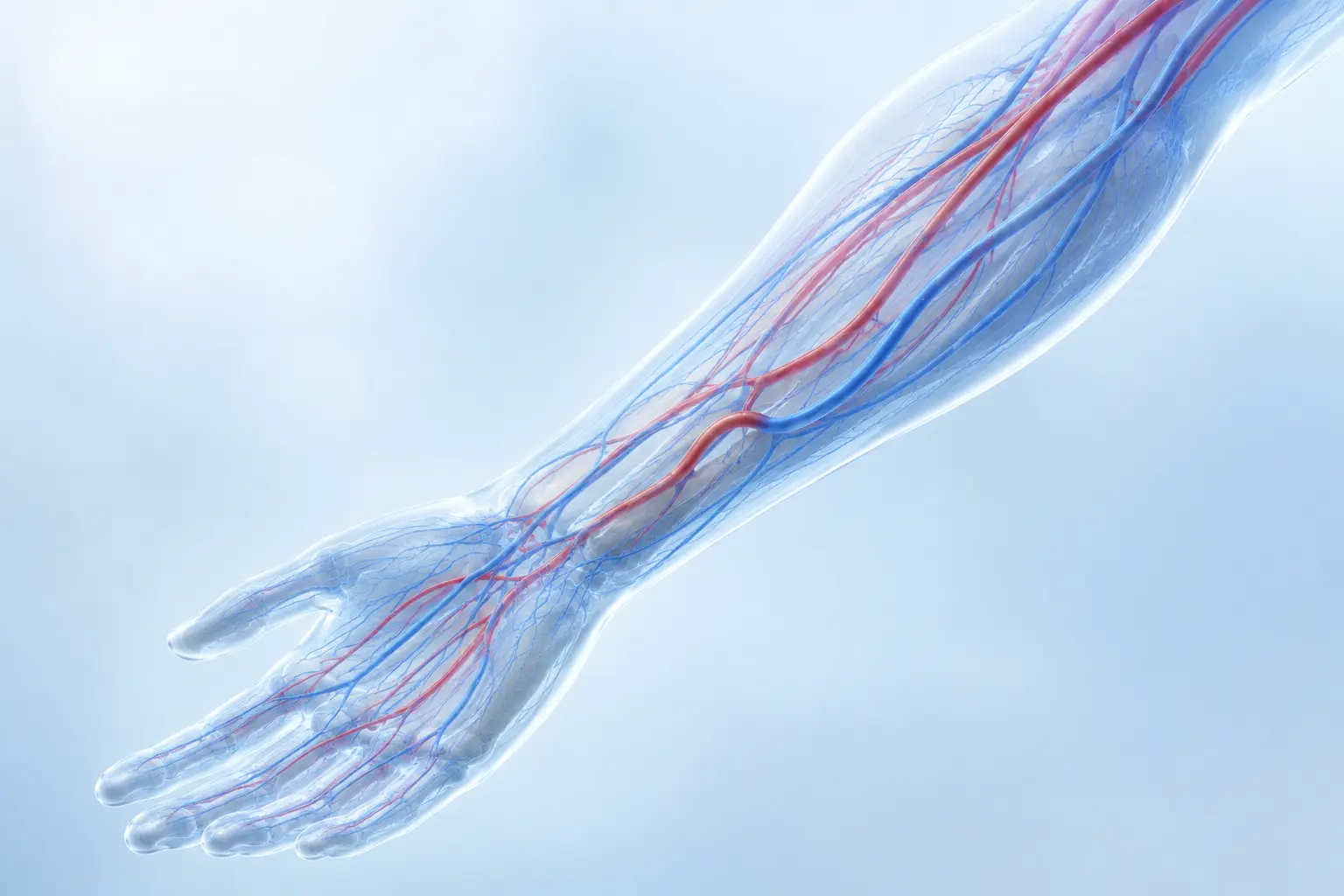
Medical anatomy visualisation of an arteriovenous vascular access in the forearm
Planned for the individualAssessment + creation + maintenance

A lifeline for haemodialysis

Reliable access begins with an individual plan.

A vascular access allows blood to travel safely between the patient and the dialysis machine. Planning considers the full kidney-replacement pathway—not only the next procedure—so current needs, future options and the patient’s vessels are protected whenever possible.

Access options

The right access for the right patient.

01

Native AV Fistula

A direct surgical connection between an artery and a vein. When it suits the patient’s anatomy and long-term treatment plan, an AV fistula can provide durable access with a lower risk of infection and clotting than a dialysis catheter.

02

AV Graft

A biocompatible graft connects an artery and a vein when the patient’s own veins are not suitable for a fistula or when another access strategy is more appropriate.

03

Tunneled Dialysis Catheter

A catheter placed in a large central vein can provide immediate access when dialysis must begin urgently or while a fistula or graft is maturing. It may also be considered when other access options are unsuitable.

04

Long-Term Venous Access

Long-term intravenous access for medication or infusion therapy can also be assessed. Device selection is coordinated with the treatment team while preserving veins that may be important for future dialysis access.

Preoperative assessment

Protecting vessels. Planning ahead.

Assessment is coordinated with the kidney-care team and tailored to the patient’s treatment plan.

01

Clinical consultation

The access history, dialysis pathway, medical risks and patient priorities are reviewed.

  • Kidney treatment plan and expected timing of dialysis
  • Previous catheters, fistulas, grafts and vascular procedures
  • Dominant arm, daily activities and personal priorities
  • Arterial pulses, venous anatomy and condition of the skin
  • Heart disease, diabetes, infection and bleeding risk
  • Current access performance and dialysis-team observations
02

Duplex ultrasound vessel mapping

Ultrasound evaluates arterial inflow and the size, course, depth and quality of potential veins without radiation.

03

Access selection

Fistula, graft or catheter options are considered according to anatomy, timing, expected use and the patient’s overall life plan.

04

Existing-access evaluation

Physical examination, dialysis findings and targeted imaging help identify maturation failure, stenosis, thrombosis, infection, aneurysm, hand ischaemia or excessive flow.

Procedures and access care

Creation, revision and access preservation.

Treatment is selected for the individual access problem and coordinated with nephrology and the dialysis team.

01Using the patient’s own vessels

AV Fistula Creation

An artery and vein are connected, usually in the arm, to create the blood flow required for haemodialysis. The site is selected after clinical and ultrasound assessment.

02An alternative access pathway

AV Graft Placement

A vascular graft may create a usable connection when native vessels are unsuitable for a fistula or the individualized access plan favours a graft.

03Access when dialysis cannot wait

Tunneled Dialysis Catheter

A tunneled catheter may be placed when immediate haemodialysis is required, as a bridge to a fistula or graft, or when another access is not feasible.

04Helping a new access become usable

Maturation Assessment

Clinical examination and duplex ultrasound can identify insufficient flow, narrowing, depth or competing veins when a fistula does not mature as expected.

05Protecting the patient’s lifeline

Access Revision or Salvage

Surgical or endovascular treatment may restore an access affected by narrowing, thrombosis, difficult cannulation or reduced dialysis performance.

06Treating access complications

Aneurysm and Infection Care

Aneurysmal change, skin damage, bleeding risk and infection require prompt assessment. Treatment is individualized according to the access and severity of the problem.

07Balancing access and circulation

Hand Ischaemia and High Flow

Pain, coldness, weakness, tissue risk, swelling or strain from excessive access flow may require specialist evaluation and corrective treatment.

08Planned access for ongoing therapy

Long-Term Intravenous Access

Ports or tunneled venous access may be considered for selected long-term treatments after the therapy, vessel preservation needs and individual risks have been reviewed.

Access protection

Small daily checks can protect a vital access.

Follow the individualized instructions from your dialysis team. Preserve the planned access arm and report changes promptly rather than waiting for the next routine appointment.

01

Know the normal thrill of your fistula or graft

02

Keep the access and catheter dressing clean and dry

03

Avoid tight clothing, pressure and injury to the access arm

04

Do not allow routine blood pressure cuffs or blood draws on the access arm

05

Attend scheduled access and dialysis reviews

06

Report reduced flow, prolonged bleeding, pain or swelling early

Treatment journey

From planning to dependable dialysis.

01

Individual access plan

The dialysis pathway, vessel preservation and the patient’s priorities are reviewed with the nephrology and dialysis teams.

02

Clinical and ultrasound mapping

Arteries and veins are assessed to identify the safest and most durable access option.

03

Creation or intervention

The selected procedure is performed with careful attention to blood flow, future access options and the patient’s overall condition.

04

Follow-up and maintenance

Healing, maturation and access function are monitored. Problems are addressed early to preserve reliable dialysis treatment.

Frequently asked questions

Clear guidance for your dialysis access.

Your nephrologist, dialysis team and vascular specialist work together to match the access plan to your individual needs.

Which dialysis access is best for me?+

There is no single best access for every patient. The choice depends on the kidney-replacement plan, vessel anatomy, expected timing of dialysis, previous procedures, medical risks and personal priorities.

Why is ultrasound vessel mapping important?+

Duplex ultrasound assesses the size, course and quality of arteries and veins. It helps select a suitable site and supports an individualized surgical plan.

How long does an AV fistula take to mature?+

Maturation varies. The fistula must heal and develop enough flow and size for safe needle access. Clinical and ultrasound review determines when it is ready rather than time alone.

What is the difference between a fistula and a graft?+

A fistula connects the patient’s own artery and vein. A graft uses a biocompatible conduit between them. Each has different advantages, timing and risks that must be matched to the individual patient.

When is a dialysis catheter used?+

A catheter is commonly used when dialysis must start before a fistula or graft is available. It may also be used when other options are not feasible, but it requires careful infection prevention and monitoring.

Can a failing fistula or graft be saved?+

Often, yes. Early assessment can identify narrowing, thrombosis, maturation problems or other complications that may be treated with endovascular or surgical revision.

How should I check my fistula or graft?+

Learn the normal vibration or ‘thrill’ of your access, protect the arm from pressure or injury and report any important change. Follow the specific instructions given by your dialysis team.

When to seek assessment

Act early when your access changes.

  • The usual vibration or ‘thrill’ becomes weaker or disappears
  • New swelling, redness, warmth, pain or drainage
  • Bleeding that takes longer than usual to stop after dialysis
  • Difficulty inserting needles or repeated dialysis-machine alarms
  • A rapidly enlarging bulge, thin skin or a wound over the access
  • A cold, pale, painful, weak or numb hand
  • New swelling of the access arm, neck or face
  • Fever, chills or feeling unwell with any access concern

The information on this page is intended for general patient education and does not replace an individual medical examination, diagnosis or treatment recommendation. Access selection and procedure availability depend on the clinical indication, the kidney-care plan and the treating hospital.